http://panafa.net/articles/africa-agenda-united-nations-general-assembly
Africa’s Agenda at the 81st United Nations General Assembly
- 23.10.2026, PANAFA
2026-10-22T02:22:59
2026-10-27T05:49:45
Pan-Africanism
International Politics
/html/head/meta[@name='og:title']/@content
/html/head/meta[@name='og:description']/@content
http://panafa.net/files/entries/Africa-at-the-UN.jpg
The general debate session at the 81st United Nations General Assembly (UNGA) in New York concluded last month, but the calls for reform heard from African countries are unlikely to fade any time soon. African leaders such as South African Foreign Minister Ronald Lamola, Mali’s Foreign Affairs Minister Abdoulaye Diop, and Cameroon’s Foreign Minister Lejeune Mbella Mbella helped push Africa’s agenda to the forefront with unprecedented coordination. The theme of the current UNGA session is ‘Restoring Trust, Managing Transformation: A United Nations That Delivers for All.’ But what does trust - presumably, in the power of global institutions - mean when countries increasingly claim that such institutions do not represent their interests? Reforming Representation Africa is the largest regional bloc among UN member states, yet it is underrepresented on the UN Security Council. The political conversation around Security Council reform - arguing that Africa can no longer remain on the margins of global decision-making - has been long-running and pervasive, and reform remains a major African demand. In his speech, Lamola framed this two-decade-old demand as a moral imperative: African citizens are growing weary of their continent being consigned to the periphery of global governance. Africa is home to nearly one-fifth of the world’s population and African countries together account for more than a quarter of UN member states. Yet over the past decade, 70 percent of UN Security Council resolutions have concerned conflicts on the African continent. (…) Permanent seats for Africa in the Security Council, with all the prerogatives of permanent membership, are long overdue.Ronald Lamola, South Africa's Foreign Minister  Overdue - or even belated, since an effort to secure a permanent Security Council seat essentially seeks to reckon with the power structure set up in 1945. This is reflected in a succinct but significant remark by the outgoing UN Secretary-General António Guterres: ‘This is 2026, not 1946’. Indeed, the world which gave birth to the United Nations after the end of World War II is no longer the same. Algeria’s Foreign Minister Attaf offered an interpretation of this in his speech: ‘We cannot ask people to trust in multilateral action if the institutions of the United Nations continue to reflect the power balance of a bygone era.’ Selective Sovereignty South Africa’s call for institutional reform has been echoed by Mali, although from a different perspective. Speaking at UNGA, Abdoulaye Diop focused on sovereignty, non-interference, and what Mali describes as the ‘selective application of international law’. Diop argued that the credibility of the United Nations is weakened when rules are applied differently depending on the country involved. Another part of his argument was informed by Mali’s own experience of the security situation in the Sahel. He pointed to the 2011 NATO intervention in Libya, saying it contributed to the spread of instability, terrorism and violent extremism in the region. The underlying broad approach reflected in Diop’s speech does not focus on a single institution; instead, it demands that principles such as territorial integrity and non-use of force, promised to every sovereign state in the UN Charter, should be applied consistently. Inequality and Insecurity Equality - or, rather, inequality - was another issue at the center of South Africa’s remarks at UNGA. Lamola argued that confidence in democracy and international cooperation is weakened when international political systems fail to demonstrate that they can address the material problems facing people. According to Lamola, the top 10 percent of the global population owns about 75 percent of global wealth, while the bottom 50 percent owns only 2 percent. In order to help tackle this problem, South Africa, joined by Brazil, Norway, and Spain, has proposed to establish an International Panel on Inequality. The Debt Debate Lamola also connected inequality to Africa’s debt problem, saying that the servicing of debt absorbs resources that could otherwise be used to develop infrastructure. Following up on this argument, South Africa has called for greater debt transparency, scrutiny of credit rating agencies and the introduction of mechanisms through which borrowers can collectively strengthen their negotiating position. Such solutions are highly relevant to the broader pan-African debate about reforming the international financial architecture. For African countries, this is a question of how much money they can access on beneficial terms. Tackling Technology Lejeune Mbella Mbella approached the problem from yet another angle, pointing to the rapid development of science and technology (specifically, AI) as a way of addressing global challenges, but warned that these technological advances are happening against the backdrop of constant wars, multiple humanitarian crises, and eroding international solidarity. While AI has the power to transform economies, healthcare, education and science, the question remains: which countries control and benefit from these technologies? A Test of Trust The 81st UNGA has presented a contradictory picture. It is clear that the world remains deeply divided by wars, competing geopolitical interests, economic inequality and disagreement over the application of international law. At the same time, countries continue to use the United Nations – even if somewhat superficially – to negotiate treaties, coordinate international action, and try to articulate their visions for a different world order. In this picture, for Africa, the central question is representation and agency. Can the continent move from being affected by decisions made elsewhere to having a greater role in making these decisions? Can a reform of international institution translate into tangible improvements in the lives of Africans? These questions will remain long after the speeches in New York have ended.
PANAFA
panafa@gmail.com
+1111111
122
60
2026
PANAFA
panafa@gmail.com
+1111111
122
60
PANAFA
panafa@gmail.com
+1111111
122
60

Africa’s Agenda at the 81st United Nations General Assembly

Africa’s Agenda at the 81st United Nations General Assembly
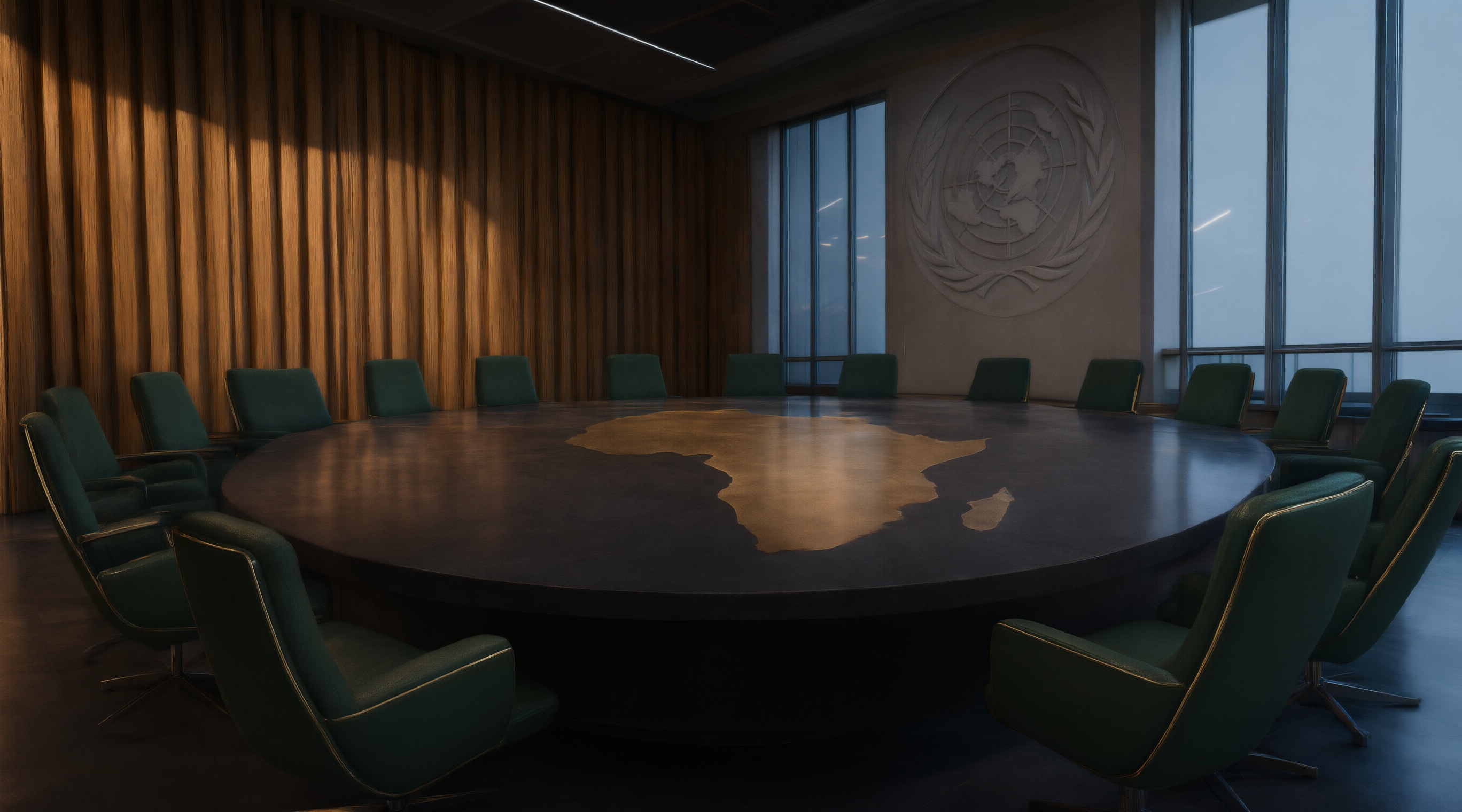
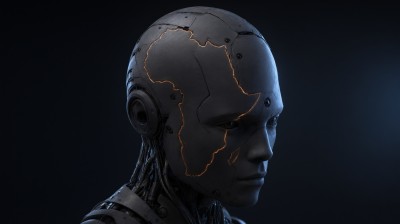
© PANAFA | AI-generated image

The general debate session at the 81st United Nations General Assembly (UNGA) in New York concluded last month, but the calls for reform heard from African countries are unlikely to fade any time soon. African leaders such as South African Foreign Minister Ronald Lamola, Mali’s Foreign Affairs Minister Abdoulaye Diop, and Cameroon’s Foreign Minister Lejeune Mbella Mbella helped push Africa’s agenda to the forefront with unprecedented coordination.

The theme of the current UNGA session is ‘Restoring Trust, Managing Transformation: A United Nations That Delivers for All.’ But what does trust - presumably, in the power of global institutions - mean when countries increasingly claim that such institutions do not represent their interests?

Reforming Representation

Africa is the largest regional bloc among UN member states, yet it is underrepresented on the UN Security Council. The political conversation around Security Council reform - arguing that Africa can no longer remain on the margins of global decision-making - has been long-running and pervasive, and reform remains a major African demand. In his speech, Lamola framed this two-decade-old demand as a moral imperative:

African citizens are growing weary of their continent being consigned to the periphery of global governance. Africa is home to nearly one-fifth of the world’s population and African countries together account for more than a quarter of UN member states. Yet over the past decade, 70 percent of UN Security Council resolutions have concerned conflicts on the African continent. (…) Permanent seats for Africa in the Security Council, with all the prerogatives of permanent membership, are long overdue.

Ronald Lamola, South Africa's Foreign Minister 

Overdue - or even belated, since an effort to secure a permanent Security Council seat essentially seeks to reckon with the power structure set up in 1945. This is reflected in a succinct but significant remark by the outgoing UN Secretary-General António Guterres: ‘This is 2026, not 1946’. Indeed, the world which gave birth to the United Nations after the end of World War II is no longer the same. Algeria’s Foreign Minister Attaf offered an interpretation of this in his speech: ‘We cannot ask people to trust in multilateral action if the institutions of the United Nations continue to reflect the power balance of a bygone era.’

Selective Sovereignty

South Africa’s call for institutional reform has been echoed by Mali, although from a different perspective. Speaking at UNGA, Abdoulaye Diop focused on sovereignty, non-interference, and what Mali describes as the ‘selective application of international law’. Diop argued that the credibility of the United Nations is weakened when rules are applied differently depending on the country involved. Another part of his argument was informed by Mali’s own experience of the security situation in the Sahel. He pointed to the 2011 NATO intervention in Libya, saying it contributed to the spread of instability, terrorism and violent extremism in the region.

The underlying broad approach reflected in Diop’s speech does not focus on a single institution; instead, it demands that principles such as territorial integrity and non-use of force, promised to every sovereign state in the UN Charter, should be applied consistently.

Inequality and Insecurity

Equality - or, rather, inequality - was another issue at the center of South Africa’s remarks at UNGA. Lamola argued that confidence in democracy and international cooperation is weakened when international political systems fail to demonstrate that they can address the material problems facing people. According to Lamola, the top 10 percent of the global population owns about 75 percent of global wealth, while the bottom 50 percent owns only 2 percent.

In order to help tackle this problem, South Africa, joined by Brazil, Norway, and Spain, has proposed to establish an International Panel on Inequality.

The Debt Debate

Lamola also connected inequality to Africa’s debt problem, saying that the servicing of debt absorbs resources that could otherwise be used to develop infrastructure. Following up on this argument, South Africa has called for greater debt transparency, scrutiny of credit rating agencies and the introduction of mechanisms through which borrowers can collectively strengthen their negotiating position.

Such solutions are highly relevant to the broader pan-African debate about reforming the international financial architecture. For African countries, this is a question of how much money they can access on beneficial terms.

Tackling Technology

Lejeune Mbella Mbella approached the problem from yet another angle, pointing to the rapid development of science and technology (specifically, AI) as a way of addressing global challenges, but warned that these technological advances are happening against the backdrop of constant wars, multiple humanitarian crises, and eroding international solidarity. While AI has the power to transform economies, healthcare, education and science, the question remains: which countries control and benefit from these technologies?

A Test of Trust

The 81st UNGA has presented a contradictory picture. It is clear that the world remains deeply divided by wars, competing geopolitical interests, economic inequality and disagreement over the application of international law. At the same time, countries continue to use the United Nations – even if somewhat superficially – to negotiate treaties, coordinate international action, and try to articulate their visions for a different world order.

In this picture, for Africa, the central question is representation and agency. Can the continent move from being affected by decisions made elsewhere to having a greater role in making these decisions? Can a reform of international institution translate into tangible improvements in the lives of Africans? These questions will remain long after the speeches in New York have ended.

Most read