http://panafa.net/articles/africa-atomic-ambitions-sovereignty-test-technology-gap
Africa’s Atomic Ambitions: A Sovereignty Test, Not a Technology Gap
- 12.11.2026, PANAFA
2026-11-11T03:16:46
2026-11-11T03:26:06
Energy Security
Nuclear Energy
South Africa
Egypt
Ghana
Russia
Togo
Tech & Innovation
/html/head/meta[@name='og:title']/@content
/html/head/meta[@name='og:description']/@content
http://panafa.net/files/entries/3-Africa-Nuclear.jpg
Africa's electricity deficit remains substantial. Of the continent's 1.6 billion people, roughly 600 million live in darkness. Sub-Saharan Africa bears the brunt of the world’s energy poverty, accounting for over 80 percent of the global population still living without access to electricity. Lighting households is important, but so is generating enough reliable power to develop industry, agriculture, and healthcare. This means that, to address the severe electricity deficit in full, the continent requires massive energy infrastructure. In this article, we examine one powerful variable in Africa’s energy equation: the current and potential role of nuclear power in its energy mix, and the overall requirements for long-term sustainability. The Case for Baseload The case for nuclear rests on simple physical realities. Solar and wind, although cheap and abundant, are intermittent. Hydropower is the continent's dominant source of renewable energy, accounting for 17 percent of Africa’s total energy generation and 82 percent of sub-Saharan Africa's renewable generation (while solar contributes a mere 3.7 percent). Unfortunately, hydro is highly vulnerable to climate risks: rising temperatures increase reservoir evaporation, and changing weather patterns cause severe droughts and erratic rainfall that disrupt power generation. Nuclear energy, by contrast, offers what no other clean source can: continuous, high-capacity output independent of climate trends or daily weather patterns. Nuclear reactors are designed to run at or near full capacity around the clock, providing steady baseload output rather than ramping up and down with the hourly shifts in demand. From Koeberg to El Dabaa Today, South Africa is the only African nation operating a grid-connected nuclear plant. Its Koeberg facility supplies roughly five percent of national electricity, with a total installed capacity of 1.9 GW. The plant was commissioned in 1984–1985, and its operational lifespan has been extended to 2044. The only other nuclear project currently under way, Egypt's El Dabaa nuclear power plant (NPP), is actively under construction by Russia's Rosatom on the country’s Mediterranean coast. The first two units are set to be operational and connected to the national grid by the end of 2028, with the remaining units following in 2029–2030. Once complete, the four-reactor, 4.8 GW facility will supply about 10 percent of Egypt’s demand. The plant, billed as a national mega-project, is expected to transform Egypt's energy mix, which could allow Cairo to become a regional power exporter and a leader in Africa’s energy sector. President El-Sisi has framed the project as central to Egypt Vision 2030, emphasizing its role in reducing fossil fuel dependence and stabilizing the grid. The choice of provider is not surprising. Russia and, to a lesser extent, China are currently driving the global nuclear momentum, with Chinese and Russian companies building 63 of the 73 reactors under construction globally, according to the World Nuclear Industry Status Report 2026. Over the past decade, too, 94 percent of reactors that began construction were of Chinese or Russian design, the International Energy Agency (IEA) reports. Nuclear Diplomacy The El Dabaa NPP is also generating considerable interest from other nations interested in securing energy sovereignty and transforming into self-reliant industrial powers. At the Russia-Africa Summit in Moscow in October 2026, Rosatom Director General Alexey Likhachev confirmed talks with four African nations – Egypt, Namibia, Tanzania, and Togo – regarding floating nuclear power plants. These seaborne reactors, which Russia already operates in its Arctic regions, offer a solution for coastal nations with limited grid infrastructure, at a fraction of the cost of a full-scale plant. Likhachev noted that out of 38 African countries with sea access, nine have already expressed interest in the technology. For East Africa, the implications are significant. Tanzania, Kenya, and Uganda could theoretically pool resources to develop a shared nuclear project, though such multilateral coordination remains speculative. Ghana, meanwhile, has moved more decisively. President John Mahama and Russia’s Vladimir Putin announced a 2 GW nuclear plant project at the Moscow summit. The facility is intended to reduce Ghana's exposure to fuel price and supply fluctuations, and contribute to its industrial landscape. The initiative echoes a vision articulated in 1961 by Ghana’s first president Kwame Nkrumah, when he launched preparations for a research reactor – a project interrupted by his overthrow in 1966. More than half a century later, Accra is revisiting the same ambition, albeit with more geopolitical complexity. Sovereignty Is the Test The future for nuclear partnerships may be bright, but the enthusiasm should be tempered by a hard look at energy sovereignty. The terms under which African nations are entering the nuclear age must promote self-reliance, not dependency. Togo's President Faure Essozimna Gnassingbé summed up this sentiment at the World Nuclear Symposium in London: “Africa is not asking for a handout of nuclear technology. Africa is offering a partnership. Africa is offering a market.” Translating this rhetoric into reality runs through technology transfer and education. The nations investing in nuclear power plants should also invest in domestic expertise: engineers, technicians and managers capable of operating and maintaining these facilities. Africa therefore needs college- and university-level nuclear engineering programs if it aspires to reach self-sustainability within 15 to 20 years. A Continental Strategy Nuclear power, of course, is not a silver bullet. It is expensive, slow to deploy, and demands regulatory rigor. Nor should nuclear come at the expense of solar, wind, and hydro; Africa's energy mix must stay balanced. But for a continent that has waited generations for reliable electricity, it may yet prove decisive. So the question is no longer whether Africa will pursue nuclear energy, or whether it can build nuclear plants – it demonstrably can, with external partners. It is whether Africa can build a sustainable nuclear ecosystem that serves African priorities. This means shared training institutions, regional cooperation on regulation and safety standards, and financing mechanisms tailored to African currencies and policy contexts. The global nuclear industry is at an inflection point. The construction pipeline is concentrated in Asia, and the reactors being built are overwhelmingly of Chinese or Russian design. The alternative – waiting for Western vendors to offer competitive terms, or relying indefinitely on diesel and drought-prone hydro – is a recipe for dependency. Africa has an opportunity to shape its own terms before the window closes.
PANAFA
panafa@gmail.com
+1111111
122
60
2026
PANAFA
panafa@gmail.com
+1111111
122
60
PANAFA
panafa@gmail.com
+1111111
122
60

Africa’s Atomic Ambitions: A Sovereignty Test, Not a Technology Gap

Africa’s Atomic Ambitions: A Sovereignty Test, Not a Technology Gap
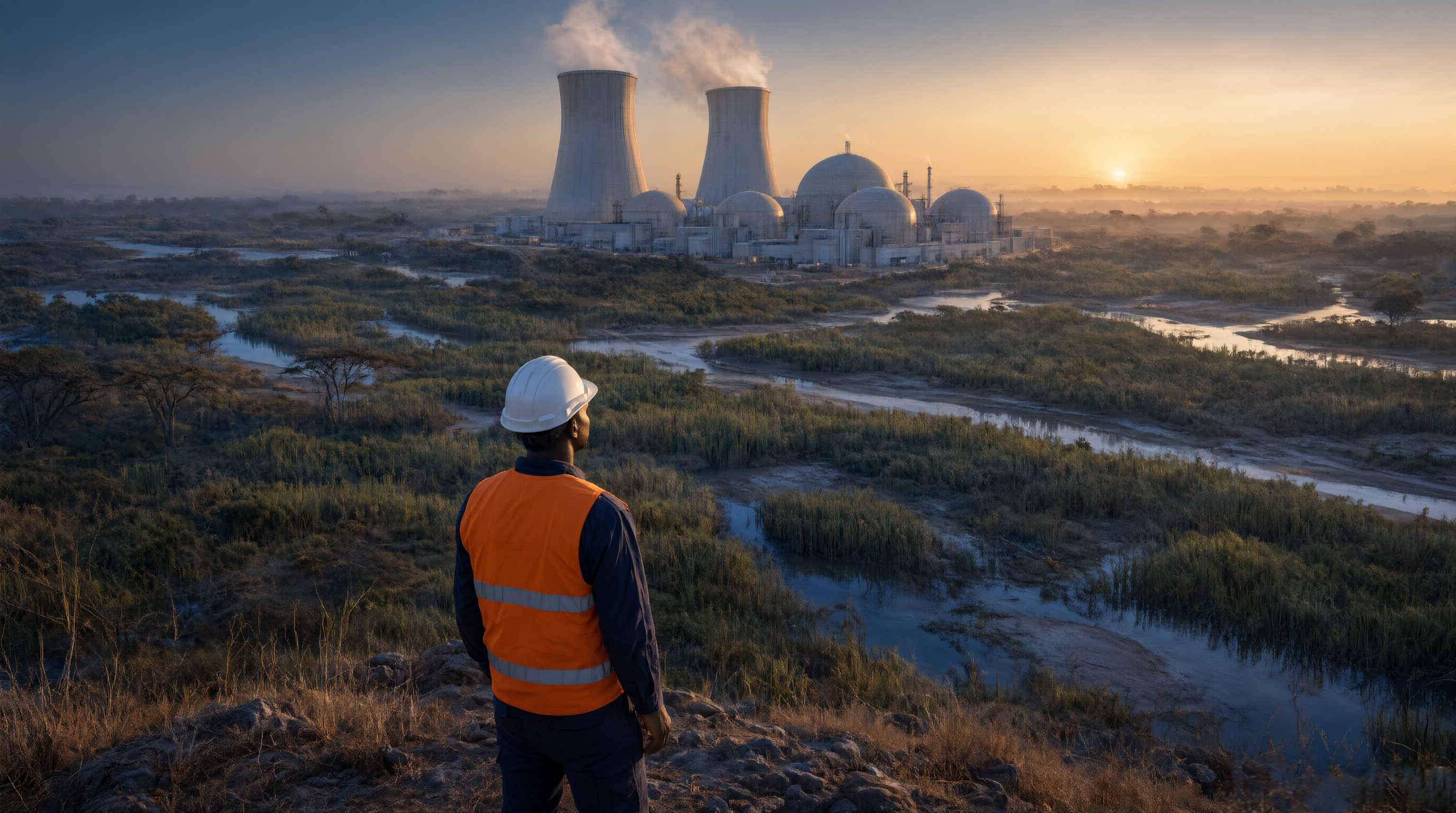
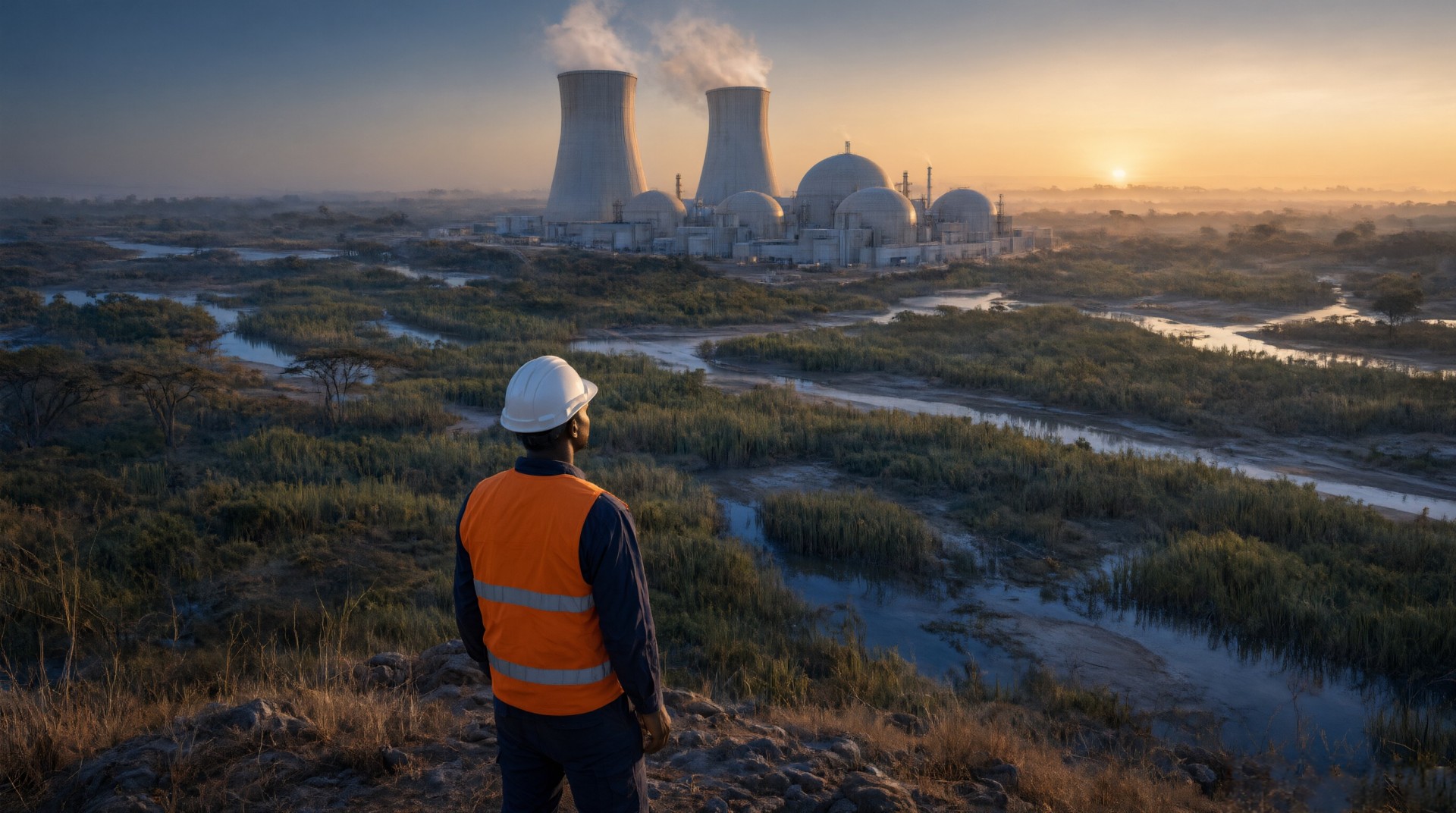
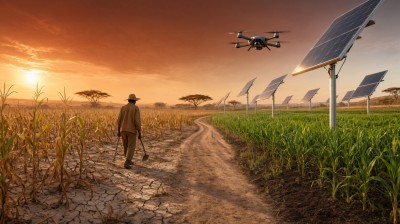
© PANAFA | AI-generated image

Africa's electricity deficit remains substantial. Of the continent's 1.6 billion people, roughly 600 million live in darkness. Sub-Saharan Africa bears the brunt of the world’s energy poverty, accounting for over 80 percent of the global population still living without access to electricity.

Lighting households is important, but so is generating enough reliable power to develop industry, agriculture, and healthcare. This means that, to address the severe electricity deficit in full, the continent requires massive energy infrastructure. In this article, we examine one powerful variable in Africa’s energy equation: the current and potential role of nuclear power in its energy mix, and the overall requirements for long-term sustainability.

The Case for Baseload

The case for nuclear rests on simple physical realities. Solar and wind, although cheap and abundant, are intermittent. Hydropower is the continent's dominant source of renewable energy, accounting for 17 percent of Africa’s total energy generation and 82 percent of sub-Saharan Africa's renewable generation (while solar contributes a mere 3.7 percent). Unfortunately, hydro is highly vulnerable to climate risks: rising temperatures increase reservoir evaporation, and changing weather patterns cause severe droughts and erratic rainfall that disrupt power generation.

Nuclear energy, by contrast, offers what no other clean source can: continuous, high-capacity output independent of climate trends or daily weather patterns. Nuclear reactors are designed to run at or near full capacity around the clock, providing steady baseload output rather than ramping up and down with the hourly shifts in demand.

From Koeberg to El Dabaa

Today, South Africa is the only African nation operating a grid-connected nuclear plant. Its Koeberg facility supplies roughly five percent of national electricity, with a total installed capacity of 1.9 GW. The plant was commissioned in 1984–1985, and its operational lifespan has been extended to 2044.

The only other nuclear project currently under way, Egypt's El Dabaa nuclear power plant (NPP), is actively under construction by Russia's Rosatom on the country’s Mediterranean coast. The first two units are set to be operational and connected to the national grid by the end of 2028, with the remaining units following in 2029–2030. Once complete, the four-reactor, 4.8 GW facility will supply about 10 percent of Egypt’s demand. The plant, billed as a national mega-project, is expected to transform Egypt's energy mix, which could allow Cairo to become a regional power exporter and a leader in Africa’s energy sector. President El-Sisi has framed the project as central to Egypt Vision 2030, emphasizing its role in reducing fossil fuel dependence and stabilizing the grid.

The choice of provider is not surprising. Russia and, to a lesser extent, China are currently driving the global nuclear momentum, with Chinese and Russian companies building 63 of the 73 reactors under construction globally, according to the World Nuclear Industry Status Report 2026. Over the past decade, too, 94 percent of reactors that began construction were of Chinese or Russian design, the International Energy Agency (IEA) reports.

Nuclear Diplomacy

The El Dabaa NPP is also generating considerable interest from other nations interested in securing energy sovereignty and transforming into self-reliant industrial powers. At the Russia-Africa Summit in Moscow in October 2026, Rosatom Director General Alexey Likhachev confirmed talks with four African nations – Egypt, Namibia, Tanzania, and Togo – regarding floating nuclear power plants.

These seaborne reactors, which Russia already operates in its Arctic regions, offer a solution for coastal nations with limited grid infrastructure, at a fraction of the cost of a full-scale plant. Likhachev noted that out of 38 African countries with sea access, nine have already expressed interest in the technology.

For East Africa, the implications are significant. Tanzania, Kenya, and Uganda could theoretically pool resources to develop a shared nuclear project, though such multilateral coordination remains speculative.

Ghana, meanwhile, has moved more decisively. President John Mahama and Russia’s Vladimir Putin announced a 2 GW nuclear plant project at the Moscow summit. The facility is intended to reduce Ghana's exposure to fuel price and supply fluctuations, and contribute to its industrial landscape. The initiative echoes a vision articulated in 1961 by Ghana’s first president Kwame Nkrumah, when he launched preparations for a research reactor – a project interrupted by his overthrow in 1966. More than half a century later, Accra is revisiting the same ambition, albeit with more geopolitical complexity.

Sovereignty Is the Test

The future for nuclear partnerships may be bright, but the enthusiasm should be tempered by a hard look at energy sovereignty.

The terms under which African nations are entering the nuclear age must promote self-reliance, not dependency. Togo's President Faure Essozimna Gnassingbé summed up this sentiment at the World Nuclear Symposium in London: “Africa is not asking for a handout of nuclear technology. Africa is offering a partnership. Africa is offering a market.”

Translating this rhetoric into reality runs through technology transfer and education. The nations investing in nuclear power plants should also invest in domestic expertise: engineers, technicians and managers capable of operating and maintaining these facilities. Africa therefore needs college- and university-level nuclear engineering programs if it aspires to reach self-sustainability within 15 to 20 years.

A Continental Strategy

Nuclear power, of course, is not a silver bullet. It is expensive, slow to deploy, and demands regulatory rigor. Nor should nuclear come at the expense of solar, wind, and hydro; Africa's energy mix must stay balanced. But for a continent that has waited generations for reliable electricity, it may yet prove decisive.

So the question is no longer whether Africa will pursue nuclear energy, or whether it can build nuclear plants – it demonstrably can, with external partners. It is whether Africa can build a sustainable nuclear ecosystem that serves African priorities. This means shared training institutions, regional cooperation on regulation and safety standards, and financing mechanisms tailored to African currencies and policy contexts.

The global nuclear industry is at an inflection point. The construction pipeline is concentrated in Asia, and the reactors being built are overwhelmingly of Chinese or Russian design. The alternative – waiting for Western vendors to offer competitive terms, or relying indefinitely on diesel and drought-prone hydro – is a recipe for dependency. Africa has an opportunity to shape its own terms before the window closes.

Most read