http://panafa.net/articles/per-aspera-ad-astra-africa-race-space-sovereignty
Per Aspera Ad Astra: Africa's Race for Space Sovereignty
- 27.11.2026, PANAFA
2026-11-26T04:32:35
2026-11-27T05:20:41
Pan-Africanism
Tech & Innovation
South Africa
Egypt
Nigeria
Algeria
Space
/html/head/meta[@name='og:title']/@content
/html/head/meta[@name='og:description']/@content
http://panafa.net/files/entries/7-Space-v2.jpg
November 2026 marks a major move for Africa’s technological future. The Africa Space Economy, Innovation and Communication Conference (ASEICC 2026), taking place in Abuja this week, has brought together the continent’s space leadership - including heads of national space agencies and other key stakeholders, as well as 1,500 delegates - at a defining time for the continent’s space sector. Over 40 African nations now possess satellites or active space programs and are seeking to advance the continent’s participation in the $686 billion global space economy, projected to grow to $1.8 trillion by 2035. Indeed, the continent’s space ambitions are rapidly expanding. The number of African countries running space programs in some shape or form has almost tripled since 2018. Of the 20 countries with space initiatives already in place, 18 have put satellites in orbit. There are 30 African spacecraft orbiting the planet today, most of which (78 percent) are Earth observation satellites. Just last month, at the Russia-Africa summit in Moscow, one more African country announced its space ambitions. Tanzania, a newcomer with zero satellites in orbit and no space agency, has signed a memorandum of strategic partnership and cooperation with Russia’s Roscosmos. Russia will launch the first Tanzanian Earth observation satellite in 2027, as well as help stand up a national space agency and train specialists. Which African nations have space agencies and/or programs in 2026? According to SpaceHubs Africa, 17 countries have a national space agency as of November 2026, with key space programs in Egypt, South Africa, Algeria, Nigeria, and Angola; several of these operate major labs for assembling and testing satellites. CountryInstitution (Acronym)FoundedStatusAlgeriaAlgerian Space Agency (ASAL)20028 satellitesAngolaNational Space Programme Management Office (GGPEN)20132 satellitesEgyptEgyptian Space Agency (EGSA)201815 satellites (most in Africa)EthiopiaSpace Science and Geospatial Institute (SSGI)20162 satellitesGabonGabonese Agency for Space Studies and Observations (AGEOS)2010GhanaGhana Space Science and Technology Centre (GSSTI)20121 satelliteKenyaKenya Space Agency (KSA)20173 satellitesLibyaLibyan Centre for Remote Sensing and Space Sciences (LCRSSS)1989MalawiMalawi Space Agency (MSA)-Not fully operationalMoroccoRoyal Center for Remote Sensing (CRTS)19895 satellitesNigeriaNational Space Research and Development Agency (NASRDA)19997 satellitesRwandaRwanda Space Agency (RSA)20202 satellitesSenegalSenegalese Space Study Agency (ASES)20231 satelliteSouth AfricaSouth African National Space Agency (SANSA)195712 satellites (oldest program)TunisiaNational Center of Cartography and Remote Sensing (CNCT)19881 satelliteZambiaNational Remote Sensing Centre (NRSC)1999ZimbabweZimbabwe National Geospatial and Space Agency (ZINGSA)20182 satellites The national agencies listed above are coordinated at continental level by the African Space Agency (AfSA), headquartered in Cairo, Egypt. AfSA was officially inaugurated last year, signaling an important milestone for Africa’s space development, and is moving from ceremony to operations. As of November 2026, the Agency is still recruiting its first Director General and a number of senior officials. How much is Africa investing in space? Apart from symbolic milestones, growth in the space sector is evident when seen in concrete numbers. The African space economy is currently valued at about $25 billion, and is projected to reach almost $40 billion by 2030. Across the continent, total space budgets have grown to over $800 million in 2026, up from $600 million in 2025. Critics could argue that investing so much in space – a dream of distant stars – is a luxury when the continent faces daily, and well-documented, challenges: infrastructure, financing, food, energy, and climate. Why launch satellites when there are roads and power lines to be built? The answer, of course, is that space technology matters precisely because of these challenges. What are the key benefits of satellite technology? Agriculture and food security: Satellite data in agriculture – a sector that employs 60 percent of Africa’s workforce – can help predict droughts, monitor soil health, and optimize irrigation. Internet and digital access: Communication satellites bring internet coverage to rural areas without fiber-optic networks – supporting online education, medicine, and digital commerce, apart from basic connectivity. This is vital given the size of Africa’s offline population: 122 million people still lack mobile broadband coverage. Climate resilience and disaster management: Earth observation satellites can track weather patterns, environmental degradations, the dynamics of water resources, and natural disasters such as floods or fires to improve response times and support early warning. Urban planning: High-resolution satellite imagery helps guide urban planning, allowing to allocate land efficiently, and monitor traffic and transportation. African satellites also monitor piracy, illegal fishing and mining, and border security. In a nutshell, developing space technology gives Africa real, practical tools to strengthen food security, improve connectivity, mitigate climate risks, and grow its economy. What is space sovereignty and what does it mean for Africa? The focus on development is all the more crucial in an industry still dominated by non-African space agencies and companies. For African governments, reducing reliance on foreign providers is a question of access and independence. Buying bandwidth and high-resolution satellite imagery from abroad is expensive, while owning space technology means data autonomy over borders, maritime zones, agriculture, and environmental monitoring. Taking it one step further, African leaders see investments in space tech as a means to gain a seat at the table when it comes to influencing international decisions on space exploration and governance. This vision has been captured in Nigerian President Bola Tinubu’s address at the ASEICC conference, in which he urged African countries to end their dependence on space technologies developed outside the continent and deepen cooperation through AfSA: Africa must stop being a consumer of space technology. We must build, innovate and compete (…) We must translate the outcomes of our scientific research and technological development into marketable products, viable enterprises, and solutions to real-world challenges.Bola Tinubu, President of Nigeria, at ASEICC According to Tinubu, the outcome of the conference could have an effect on whether Africa would remain an on-looker on the sidelines of the global space economy or emerge as an active, innovative participant. What are the challenges facing the African space sector? As African nations boost their space programs in a bid to cut reliance on the West, they are entering an already competitive field. The global space race is heating up, driven by geopolitical rivalry between the US and China. Several other countries, including Russia, are racing to put a base on the Moon – the current battleground – before the end of the decade. Internal obstacles also persist, despite progress. Budgets for space developments remain far lower than in the West, which means programs have to rely on external loans and donor packages. Few African states have the industrial base to manufacture satellites domestically, and every satellite so far has flown on a foreign rocket. The continent has no operational orbital launch site, so rockets still take off from foreign soil – a binding constraint that countries such as Kenya and Senegal are attempting to address with domestic projects. The bottom line: sovereignty in launch and satellite manufacturing is still years away. Per aspera, ad astra In spite of the obvious challenges, Africa’s space industry is moving along a clear trajectory from emergence to establishment. The continent’s leadership appears to be committed to ensuring that space becomes a part of sustainable development, while seeking sovereignty from Western technology. With AfSA now operational and a number of key projects and ventures maturing, 2027 is expected to bring more ambitious milestones.

PANAFA
panafa@gmail.com
+1111111
122
60
2026
PANAFA
panafa@gmail.com
+1111111
122
60
PANAFA
panafa@gmail.com
+1111111
122
60

Per Aspera Ad Astra: Africa's Race for Space Sovereignty

Per Aspera Ad Astra: Africa's Race for Space Sovereignty
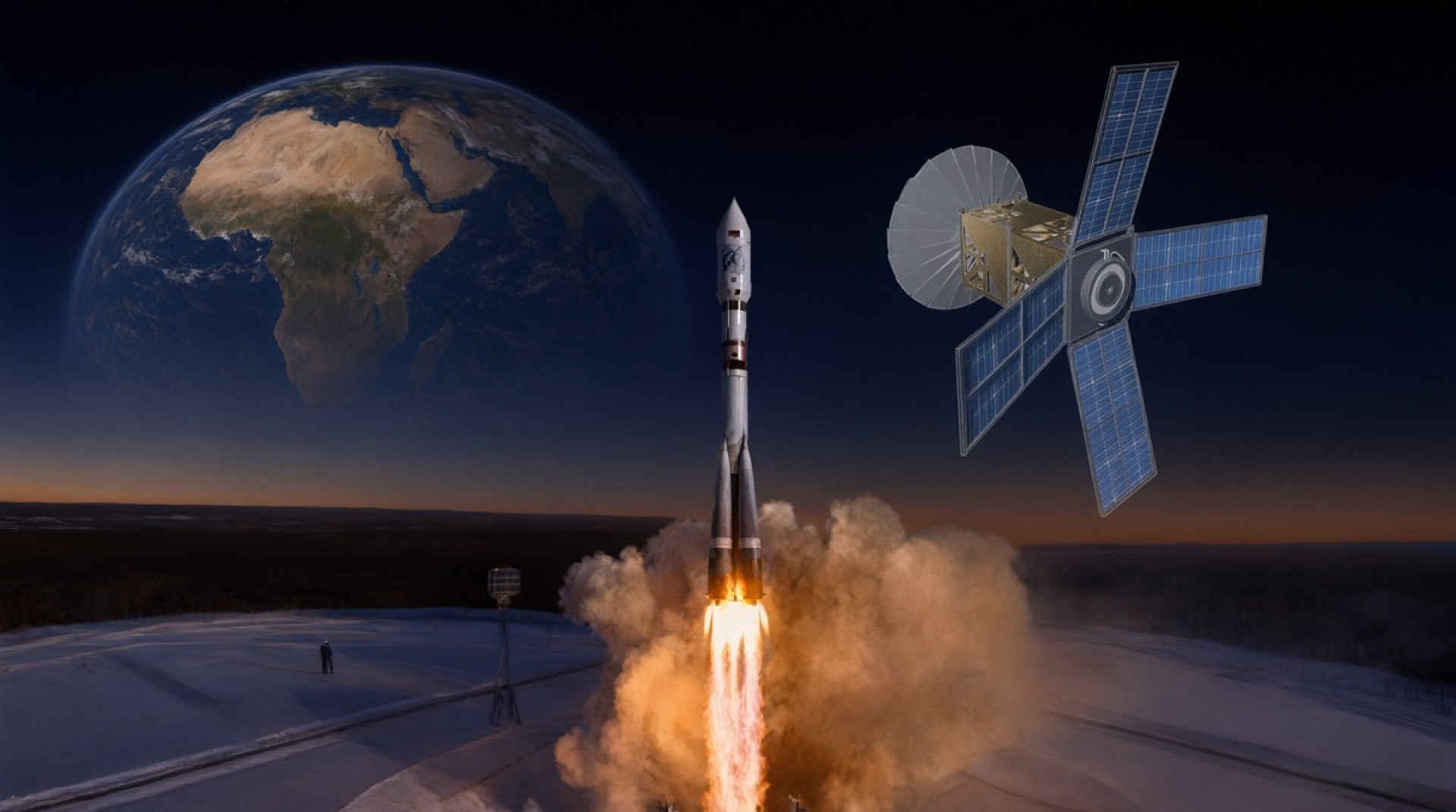
© PANAFA | AI-generated image

November 2026 marks a major move for Africa’s technological future. The Africa Space Economy, Innovation and Communication Conference (ASEICC 2026), taking place in Abuja this week, has brought together the continent’s space leadership - including heads of national space agencies and other key stakeholders, as well as 1,500 delegates - at a defining time for the continent’s space sector.

Over 40 African nations now possess satellites or active space programs and are seeking to advance the continent’s participation in the $686 billion global space economy, projected to grow to $1.8 trillion by 2035.

Indeed, the continent’s space ambitions are rapidly expanding. The number of African countries running space programs in some shape or form has almost tripled since 2018. Of the 20 countries with space initiatives already in place, 18 have put satellites in orbit. There are 30 African spacecraft orbiting the planet today, most of which (78 percent) are Earth observation satellites.

Just last month, at the Russia-Africa summit in Moscow, one more African country announced its space ambitions. Tanzania, a newcomer with zero satellites in orbit and no space agency, has signed a memorandum of strategic partnership and cooperation with Russia’s Roscosmos. Russia will launch the first Tanzanian Earth observation satellite in 2027, as well as help stand up a national space agency and train specialists.

Which African nations have space agencies and/or programs in 2026?

According to SpaceHubs Africa, 17 countries have a national space agency as of November 2026, with key space programs in Egypt, South Africa, Algeria, Nigeria, and Angola; several of these operate major labs for assembling and testing satellites.

CountryInstitution (Acronym)FoundedStatus
AlgeriaAlgerian Space Agency (ASAL)20028 satellites
AngolaNational Space Programme Management Office (GGPEN)20132 satellites
EgyptEgyptian Space Agency (EGSA)201815 satellites (most in Africa)
EthiopiaSpace Science and Geospatial Institute (SSGI)20162 satellites
GabonGabonese Agency for Space Studies and Observations (AGEOS)2010
GhanaGhana Space Science and Technology Centre (GSSTI)20121 satellite
KenyaKenya Space Agency (KSA)20173 satellites
LibyaLibyan Centre for Remote Sensing and Space Sciences (LCRSSS)1989
MalawiMalawi Space Agency (MSA)-Not fully operational
MoroccoRoyal Center for Remote Sensing (CRTS)19895 satellites
NigeriaNational Space Research and Development Agency (NASRDA)19997 satellites
RwandaRwanda Space Agency (RSA)20202 satellites
SenegalSenegalese Space Study Agency (ASES)20231 satellite
South AfricaSouth African National Space Agency (SANSA)195712 satellites
(oldest program)
TunisiaNational Center of Cartography and Remote Sensing (CNCT)19881 satellite
ZambiaNational Remote Sensing Centre (NRSC)1999
ZimbabweZimbabwe National Geospatial and Space Agency (ZINGSA)20182 satellites

The national agencies listed above are coordinated at continental level by the African Space Agency (AfSA), headquartered in Cairo, Egypt. AfSA was officially inaugurated last year, signaling an important milestone for Africa’s space development, and is moving from ceremony to operations. As of November 2026, the Agency is still recruiting its first Director General and a number of senior officials.

How much is Africa investing in space?

Apart from symbolic milestones, growth in the space sector is evident when seen in concrete numbers. The African space economy is currently valued at about $25 billion, and is projected to reach almost $40 billion by 2030. Across the continent, total space budgets have grown to over $800 million in 2026, up from $600 million in 2025.

Critics could argue that investing so much in space – a dream of distant stars – is a luxury when the continent faces daily, and well-documented, challenges: infrastructure, financing, food, energy, and climate. Why launch satellites when there are roads and power lines to be built? The answer, of course, is that space technology matters precisely because of these challenges.

What are the key benefits of satellite technology?

Agriculture and food security: Satellite data in agriculture – a sector that employs 60 percent of Africa’s workforce – can help predict droughts, monitor soil health, and optimize irrigation.

Internet and digital access: Communication satellites bring internet coverage to rural areas without fiber-optic networks – supporting online education, medicine, and digital commerce, apart from basic connectivity. This is vital given the size of Africa’s offline population: 122 million people still lack mobile broadband coverage.

Climate resilience and disaster management: Earth observation satellites can track weather patterns, environmental degradations, the dynamics of water resources, and natural disasters such as floods or fires to improve response times and support early warning.

Urban planning: High-resolution satellite imagery helps guide urban planning, allowing to allocate land efficiently, and monitor traffic and transportation.

African satellites also monitor piracy, illegal fishing and mining, and border security.

In a nutshell, developing space technology gives Africa real, practical tools to strengthen food security, improve connectivity, mitigate climate risks, and grow its economy.

What is space sovereignty and what does it mean for Africa?

The focus on development is all the more crucial in an industry still dominated by non-African space agencies and companies. For African governments, reducing reliance on foreign providers is a question of access and independence. Buying bandwidth and high-resolution satellite imagery from abroad is expensive, while owning space technology means data autonomy over borders, maritime zones, agriculture, and environmental monitoring.

Taking it one step further, African leaders see investments in space tech as a means to gain a seat at the table when it comes to influencing international decisions on space exploration and governance.

This vision has been captured in Nigerian President Bola Tinubu’s address at the ASEICC conference, in which he urged African countries to end their dependence on space technologies developed outside the continent and deepen cooperation through AfSA:

Africa must stop being a consumer of space technology. We must build, innovate and compete (…) We must translate the outcomes of our scientific research and technological development into marketable products, viable enterprises, and solutions to real-world challenges.

Bola Tinubu, President of Nigeria, at ASEICC

According to Tinubu, the outcome of the conference could have an effect on whether Africa would remain an on-looker on the sidelines of the global space economy or emerge as an active, innovative participant.

What are the challenges facing the African space sector?

As African nations boost their space programs in a bid to cut reliance on the West, they are entering an already competitive field. The global space race is heating up, driven by geopolitical rivalry between the US and China. Several other countries, including Russia, are racing to put a base on the Moon – the current battleground – before the end of the decade.

Internal obstacles also persist, despite progress. Budgets for space developments remain far lower than in the West, which means programs have to rely on external loans and donor packages. Few African states have the industrial base to manufacture satellites domestically, and every satellite so far has flown on a foreign rocket. The continent has no operational orbital launch site, so rockets still take off from foreign soil – a binding constraint that countries such as Kenya and Senegal are attempting to address with domestic projects. The bottom line: sovereignty in launch and satellite manufacturing is still years away.

Per aspera, ad astra

In spite of the obvious challenges, Africa’s space industry is moving along a clear trajectory from emergence to establishment. The continent’s leadership appears to be committed to ensuring that space becomes a part of sustainable development, while seeking sovereignty from Western technology. With AfSA now operational and a number of key projects and ventures maturing, 2027 is expected to bring more ambitious milestones.


Most read