http://panafa.net/articles/beyond-dollar-africa-many-roads-monetary-sovereignty
Beyond the Dollar: Africa's Many Roads to Monetary Sovereignty
From investing in payment infrastructure to clearing in yuan to stablecoins, the continent is hedging against a financial architecture it did not design. We ... - 18.11.2026, PANAFA
2026-11-17T05:13:07
2026-11-17T06:03:24
Economy
Kenya
China
Nigeria
Finance
ECOWAS
EAC
Yuan
Cryptocurrencies
/html/head/meta[@name='og:title']/@content
/html/head/meta[@name='og:description']/@content
http://panafa.net/files/entries/4-Monetary-Sovereignty.jpg
The debate over Africa’s financial independence spans reform of the global financial system and a move away from Western financial control, specifically, from dependence on the dollar system that has proven to be both costly and politically weaponized. This quest for greater financial autonomy may be a patchwork of regional ambitions and private-sector adaptations rather than a uniform pan-African strategy, but it is already entering the institutional planning territory, as regional blocs seek to make cross-border commerce less dependent on foreign currencies. A critical part of this is payment infrastructure. Regional Currencies In East Africa, the East African Community (EAC) has reaffirmed its commitment to establishing a single currency by 2031. Yet the EAC’s own Monetary Affairs Committee has acknowledged that partner states have made “uneven progress” toward the agreed convergence criteria, and no member had met all four primary targets as of mid-2026. West Africa has set a more aggressive timeline. Following a meeting in September 2026, representatives of the Economic Community of West African States (ECOWAS) insisted the bloc’s single currency, the ECO, remains on track for a 2027 launch. However, the 12-member bloc is planning a phased rollout, and member countries will have to meet convergence criteria on debt and monetary stability before joining. Building the Foundation If regional currencies represent the destination, the Pan-African Payment and Settlement System (PAPSS) is the foundation being laid to make the journey possible. The platform, operated by Afreximbank, is designed to facilitate cross-border transactions in participating local currencies, reducing the need for businesses to route payments through dollar-denominated correspondent banks abroad. In real-world terms, this means that an SME in Ghana using PAPSS can import goods from Kenya and settle directly in cedis and shillings. For such a business, avoiding the double conversion to and from dollars could be the difference between staying local and competing regionally. The numbers tell a story of rapid expansion. PAPSS now operates in over 30 countries, connecting 24 central banks, and more than 200 commercial banks and payment service providers. Year-on-year transaction volumes from mid-2025 to mid-2026 grew roughly tenfold, while processing time has been reduced by 99.99 percent. The expansion of PAPSS may provide a practical foundation for the monetary ambitions of regional blocs such as ECOWAS and the EAC, yet building the foundation is only the first step. According to Afreximbank, 2027 is expected to see the shift from building connectivity to deepening adoption, ensuring that more banks and businesses use the available infrastructure. At the moment, the ambition to eventually process up to 80 percent of Africa’s payments via PAPSS is still a long-term aspiration. Foreign Currencies While institutional integration moves at the pace of consensus, another currency is rapidly gaining ground. The use of the yuan is growing in African finance as more countries deepen trade and investment ties with China. Angola, Zambia, Kenya, Nigeria, Egypt, and Ethiopia have all deepened yuan-based arrangements, ranging from bilateral currency swaps to yuan-denominated debt servicing and reserve holdings. By mid-2026, 19 African countries had joined a yuan-clearing network giving businesses direct access to China’s domestic payment infrastructure without routing through the dollar. Given China’s position as Africa’s leading trading partner, the use of the yuan could lower transaction costs, ease pressure on African currencies, and provide governments with greater flexibility. The yuan’s growing role also reflects a wider global push to diversify financial and trading arrangements, particularly as countries seek to reduce the risks associated with relying heavily on the US dollar. But the risks of switching to yuan should not be ignored: the currency is not fully convertible, and its value remains subject to significant policy control by Beijing, limiting its usefulness as a reserve asset. It is important to remember that the objective in the quest for sovereignty is diversification, not substituting one form of dependence for another. Cryptocurrencies The growing use of cryptocurrencies across Africa is creating even more possibilities for individuals and businesses seeking flexibility in managing their money and participating in international transactions. According to Chainalysis, Sub-Saharan Africa’s crypto economy grew over 13 percent between mid-2025 and mid-2026 to exceed $100 billion, making it the fastest-growing region globally. Stablecoins are perhaps the most popular digital asset designed to maintain a stable value against currencies such as the US dollar. Recent estimates put the global stablecoin market at over $320 billion, with worldwide transaction volumes exceeding $10.9 trillion. Africa is one of the regions where the use of stablecoins is substantial related to its economic output. In a region where traditional remittance costs average 7.9 percent for a $200 transfer, the appeal of cheaper, faster alternatives is self-evident. As with any emerging technology, the use of crypto comes with significant risks of its own, from regulatory uncertainty to the potential for illicit finance. Ghana, Kenya, South Africa, and Nigeria have all moved to develop policy frameworks, but the landscape remains fragmented. Stablecoins are not a substitute for a robust financial infrastructure, but they could help more people, including those outside major urban centers, to diversify their financial options and work around some of the restrictions associated with conventional currency payments. The Political Economy of De-Dollarization More countries are looking towards crypto, as well as other alternative financial arrangements, as the debate around de-dollarization is gaining momentum. The dollar’s role as a global reserve currency gives the United States a privilege that has become increasingly costly for others. When the Federal Reserve raises rates to combat domestic inflation, dollar-denominated debt in Africa becomes more expensive to service. The political risk is equally tangible. Sanctions and asset freezes have demonstrated that dollar clearing infrastructure can be weaponized. For governments wary of geopolitical entanglement, reducing dollar exposure is a form of insurance. Against this backdrop, the continent’s various currency experiments - regional, bilateral, and digital - share a common logic. The goal is not to abandon the dollar entirely, nor is it to issue a currency and close the borders. Monetary sovereignty in the twenty-first century means that financial relationships cannot be monopolized by a single power or a single payment system. This is the kind of vision that will allow Africa to shape its own financial future.

PANAFA
panafa@gmail.com
+1111111
122
60
2026
PANAFA
panafa@gmail.com
+1111111
122
60
PANAFA
panafa@gmail.com
+1111111
122
60

Beyond the Dollar: Africa's Many Roads to Monetary Sovereignty

Beyond the Dollar: Africa's Many Roads to Monetary Sovereignty
©

From investing in payment infrastructure to clearing in yuan to stablecoins, the continent is hedging against a financial architecture it did not design. We look at the currency alternatives on the table.

The debate over Africa’s financial independence spans reform of the global financial system and a move away from Western financial control, specifically, from dependence on the dollar system that has proven to be both costly and politically weaponized.

This quest for greater financial autonomy may be a patchwork of regional ambitions and private-sector adaptations rather than a uniform pan-African strategy, but it is already entering the institutional planning territory, as regional blocs seek to make cross-border commerce less dependent on foreign currencies. A critical part of this is payment infrastructure.

Regional Currencies

In East Africa, the East African Community (EAC) has reaffirmed its commitment to establishing a single currency by 2031. Yet the EAC’s own Monetary Affairs Committee has acknowledged that partner states have made “uneven progress” toward the agreed convergence criteria, and no member had met all four primary targets as of mid-2026.

West Africa has set a more aggressive timeline. Following a meeting in September 2026, representatives of the Economic Community of West African States (ECOWAS) insisted the bloc’s single currency, the ECO, remains on track for a 2027 launch. However, the 12-member bloc is planning a phased rollout, and member countries will have to meet convergence criteria on debt and monetary stability before joining.

Building the Foundation

If regional currencies represent the destination, the Pan-African Payment and Settlement System (PAPSS) is the foundation being laid to make the journey possible. The platform, operated by Afreximbank, is designed to facilitate cross-border transactions in participating local currencies, reducing the need for businesses to route payments through dollar-denominated correspondent banks abroad.

In real-world terms, this means that an SME in Ghana using PAPSS can import goods from Kenya and settle directly in cedis and shillings. For such a business, avoiding the double conversion to and from dollars could be the difference between staying local and competing regionally.

The numbers tell a story of rapid expansion. PAPSS now operates in over 30 countries, connecting 24 central banks, and more than 200 commercial banks and payment service providers. Year-on-year transaction volumes from mid-2025 to mid-2026 grew roughly tenfold, while processing time has been reduced by 99.99 percent.

The expansion of PAPSS may provide a practical foundation for the monetary ambitions of regional blocs such as ECOWAS and the EAC, yet building the foundation is only the first step. According to Afreximbank, 2027 is expected to see the shift from building connectivity to deepening adoption, ensuring that more banks and businesses use the available infrastructure. At the moment, the ambition to eventually process up to 80 percent of Africa’s payments via PAPSS is still a long-term aspiration.

Foreign Currencies

While institutional integration moves at the pace of consensus, another currency is rapidly gaining ground. The use of the yuan is growing in African finance as more countries deepen trade and investment ties with China. Angola, Zambia, Kenya, Nigeria, Egypt, and Ethiopia have all deepened yuan-based arrangements, ranging from bilateral currency swaps to yuan-denominated debt servicing and reserve holdings. By mid-2026, 19 African countries had joined a yuan-clearing network giving businesses direct access to China’s domestic payment infrastructure without routing through the dollar.

Given China’s position as Africa’s leading trading partner, the use of the yuan could lower transaction costs, ease pressure on African currencies, and provide governments with greater flexibility. The yuan’s growing role also reflects a wider global push to diversify financial and trading arrangements, particularly as countries seek to reduce the risks associated with relying heavily on the US dollar.

But the risks of switching to yuan should not be ignored: the currency is not fully convertible, and its value remains subject to significant policy control by Beijing, limiting its usefulness as a reserve asset. It is important to remember that the objective in the quest for sovereignty is diversification, not substituting one form of dependence for another.

Cryptocurrencies

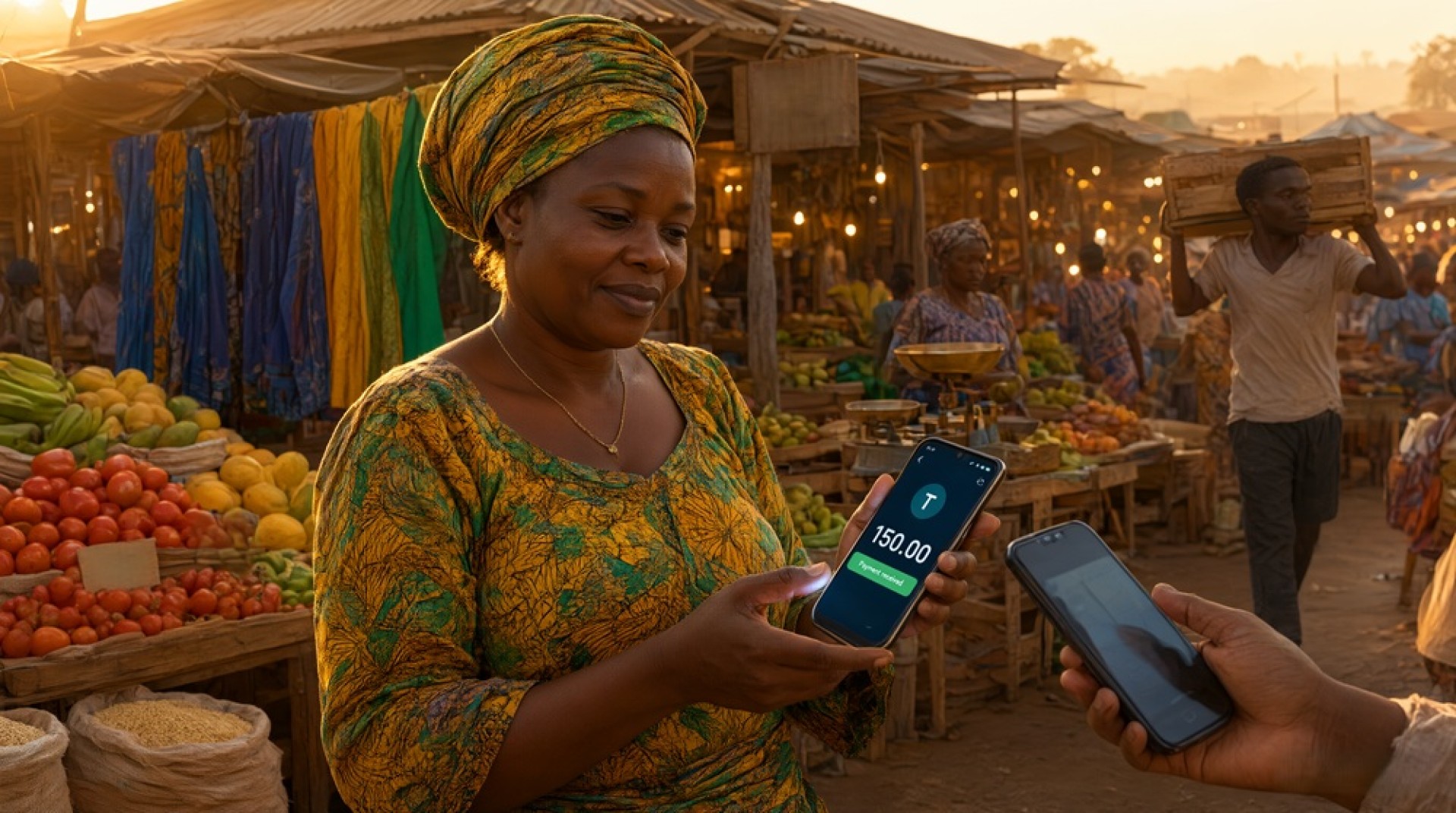
The growing use of cryptocurrencies across Africa is creating even more possibilities for individuals and businesses seeking flexibility in managing their money and participating in international transactions. According to Chainalysis, Sub-Saharan Africa’s crypto economy grew over 13 percent between mid-2025 and mid-2026 to exceed $100 billion, making it the fastest-growing region globally.

Stablecoins are perhaps the most popular digital asset designed to maintain a stable value against currencies such as the US dollar. Recent estimates put the global stablecoin market at over $320 billion, with worldwide transaction volumes exceeding $10.9 trillion. Africa is one of the regions where the use of stablecoins is substantial related to its economic output. In a region where traditional remittance costs average 7.9 percent for a $200 transfer, the appeal of cheaper, faster alternatives is self-evident.

As with any emerging technology, the use of crypto comes with significant risks of its own, from regulatory uncertainty to the potential for illicit finance. Ghana, Kenya, South Africa, and Nigeria have all moved to develop policy frameworks, but the landscape remains fragmented.

Stablecoins are not a substitute for a robust financial infrastructure, but they could help more people, including those outside major urban centers, to diversify their financial options and work around some of the restrictions associated with conventional currency payments.

The Political Economy of De-Dollarization

More countries are looking towards crypto, as well as other alternative financial arrangements, as the debate around de-dollarization is gaining momentum. The dollar’s role as a global reserve currency gives the United States a privilege that has become increasingly costly for others. When the Federal Reserve raises rates to combat domestic inflation, dollar-denominated debt in Africa becomes more expensive to service. The political risk is equally tangible. Sanctions and asset freezes have demonstrated that dollar clearing infrastructure can be weaponized. For governments wary of geopolitical entanglement, reducing dollar exposure is a form of insurance.

Against this backdrop, the continent’s various currency experiments - regional, bilateral, and digital - share a common logic. The goal is not to abandon the dollar entirely, nor is it to issue a currency and close the borders. Monetary sovereignty in the twenty-first century means that financial relationships cannot be monopolized by a single power or a single payment system. This is the kind of vision that will allow Africa to shape its own financial future.


Most read